
HEALING PARTNERS · CLINICAL REFERENCE
Healthy vs Infected Wound — How to Tell the Difference
What normal wound healing looks like, what infection looks like, and the signs that mean escalate now.
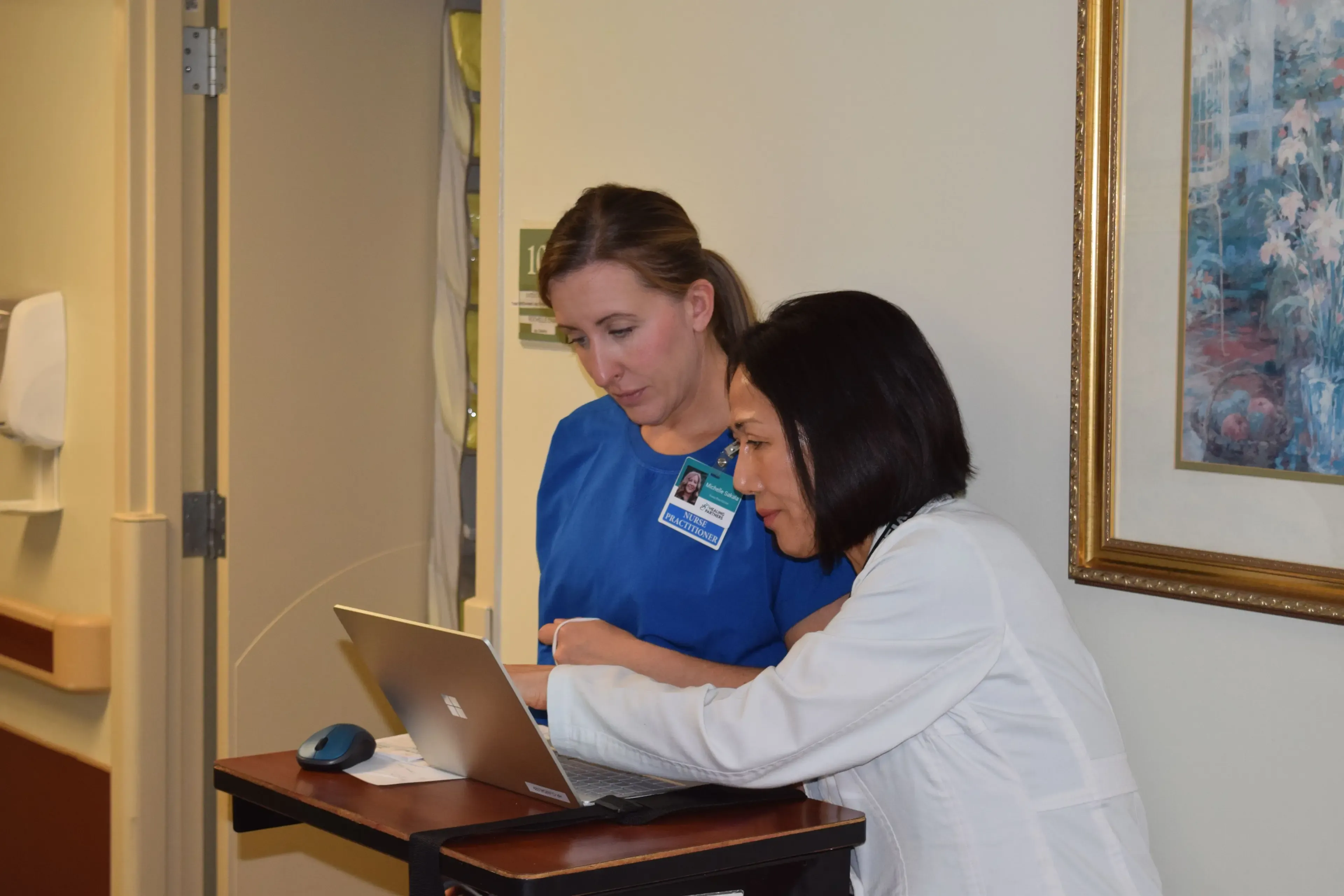
Healthy vs Infected Wound — How to Tell the Difference
Most wounds follow a predictable arc. They look worse before they look better, they produce some drainage early on, and the edges gradually draw inward. Infection breaks that arc — and the difference between a wound that is healing awkwardly and a wound that is infected is the single most common question people ask about wound care.
This guide sets out what normal healing looks like at each stage, the specific signs clinicians use to identify infection, and the findings that mean escalate now rather than watch and wait. It is written for clarity, not to replace clinical judgment.

~7,380 searches a month at KD 0–7, and a genuine AI-citation opportunity. But it is patient intent, which is why the recommendation is to host it on the brand site and link across.
⚠ Recommend brand-site hosting. Requires named clinical reviewer (YMYL).
What does a normal healing wound look like?
Healing runs through overlapping stages, and each has a recognizable appearance:

Early inflammation.
Some redness at the wound edge, mild warmth, mild swelling and clear or lightly blood-tinged drainage. This is expected in the first few days.

Granulation.
New tissue fills the wound bed and looks pink to beefy red, moist and slightly bumpy. Healthy granulation bleeds easily when touched.

Contraction and epithelialization.
The wound edges draw inward and new skin advances from the margins, usually pale pink. The wound gets measurably smaller week on week.
The direction of travel.
The most reliable single indicator is trend. A wound that is measurably smaller than it was two weeks ago is healing, even if it looks unimpressive.
Clinical Roles at Healing Partners
If you are a nurse practitioner rather than a patient: Healing Partners hires clinicians to do exactly this work across 25+ states.
Pay & Benefits
Healing Partners is a W-2 employer, not a 1099 staffing agency — so no self-employment

Competitive W-2 base salary, market-adjusted by region and experience.

Three HSA-compatible national medical plans, plus dental, vision and accident insurance.

401(k) with employer match — first 3% matched at 100%, next 2% at 50%. Pre-tax and Roth options.

Employer-paid short- and long-term disability, life, and AD&D.

Accrued paid time off, 6 fixed holidays, 4 floating holidays and 3 training days.

Tuition assistance — $2,000 per semester, up to $4,000 per calendar year with approval.

Training and national board certification awarded within your first year.
Reimbursement for all required licenses, board certifications and practice-related items.
Employee Assistance Program, Dependent Care FSA, discount programs and a personalized lab coat.
How to Apply — Clinical Roles
Applying takes a few minutes and every role runs through the same simple path.
01
Browse the openings.
Check the roles below and pick the one that fits your area and schedule.
02
Apply online.
It takes a few minutes. Share your NP licensure, board certification, and a resume or short work history.
03
Talk with a recruiter.
A member of our team follows up within two business days to walk through the role, the panel, and the schedule.
04
Meet the clinical team.
You'll speak with clinical leadership about the facilities you'd cover and how onboarding into our wound and vascular protocols works.
05
Start.
You pick up your panel and get going.
Frequently Asked Questions
01
How do you tell a healthy wound from an infected wound?
A healthy wound gets measurably smaller over two to four weeks, shows pink or red granulation tissue, and produces clear or lightly blood-tinged drainage. An infected wound shows spreading redness beyond the margin, increasing pain, thick discolored or foul-smelling drainage, and stalled or reversing progress. Fever alongside a wound needs urgent assessment.
02
What does a normal healing wound look like?
03
When should a wound be seen urgently?
04
Why will my wound not heal?
05
Can an LPN be a wound care nurse?
Wounds that will not heal usually have a vascular cause.
That is the work our nurse practitioners do — assessing the cause, not just dressing the consequence.